



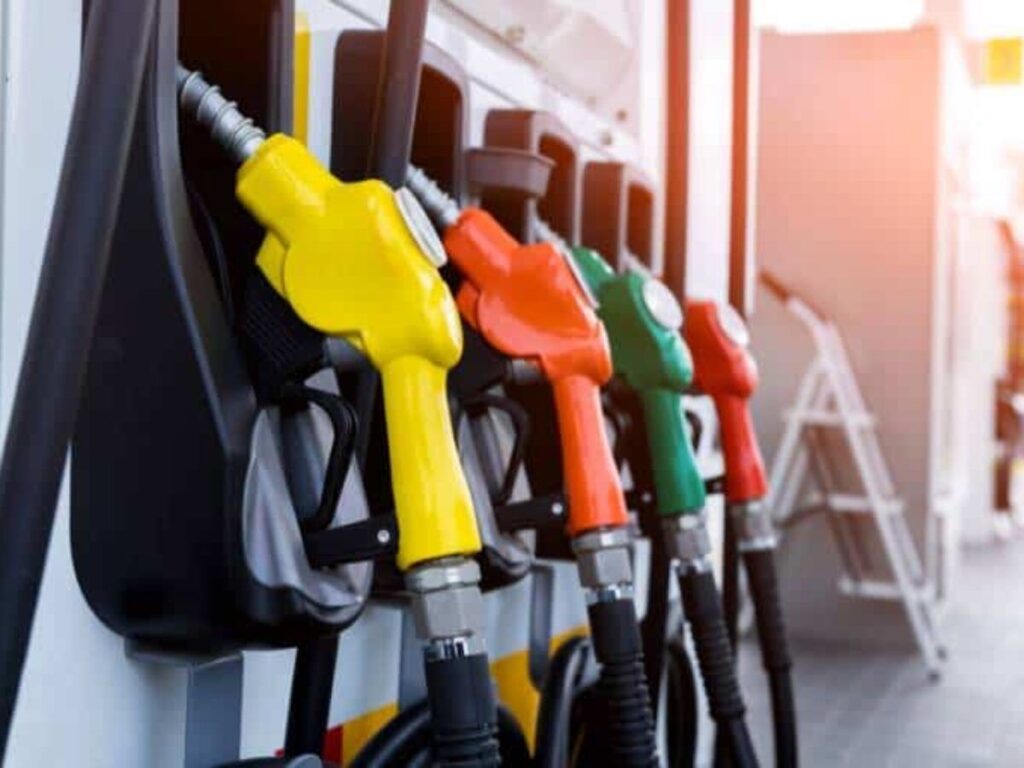
Every morning across every region in India, fuel stations update their prices. As India does every morning, rents across the country were dropped. Diesel and petrol are cheaper by 7 rupees than they were the day before.
This is the most dramatic difference commuters and transport businesses have seen in recent months, offering and risk of fuel-based, fuel-driven operating.
Pricing updates released by the industry have indicated that the lower fuel prices are the result of recent global oil prices, the rupee, and the introduction of new policies. The combination of factors has decreased the price of fuel at the in market prices.

Why Prices Fell
Global crude oil prices have softened
International oil benchmark prices have fallen in recent weeks. Since India imports most of its crude oil, a decrease in crude costs lowers the base cost of fuel for refineries and oil marketing companies. Petrol & Diesel Prices lets them pass on savings to consumers.
Exchange rate fluctuations lend a hand
A stronger Indian rupee in relation to the US dollar lowers the price of imported crude in rupees, Petrol & Diesel Prices lowers fuel refiners’ input costs once more. This lowers the price of fuel at retail.
Taxation & Regulatory Adjustments
In India, fuel prices include dealer commissions, state-level value-added tax (VAT), central excise duty, and other levies in addition to crude costs. According to some recent reports, the price reduction of ₹7 per litre may have been caused by reductions in excise duty or other tax or levy adjustments. Therefore, a combination of declining global crude, a favorable exchange rate, and domestic excise/tax adjustments is probably responsible for the ₹7 cut.
Now What is Petrol & Diesel Prices
Due to varying VAT, transportation expenses, and local levies, fuel prices differ by state and city. According to the most recent publicly accessible data (post-cut), average costs in a few major Indian cities are: In Kolkata, gasoline costs about ₹105.41 per litre; other major cities have comparable ranges based on local taxes. Diesel: Although precise city-by-city figures differ due to state VAT and dealer factors, diesel prices also reflect the ₹7 cut overall. For instance, a city where petrol used to cost ₹112 per litre might now see it at about ₹105, offering a discernible savings per litre.
What Businesses and Customers Should Be Aware of
First. Examine local pump rates; the real benefit may differ from city to city because the final cost is determined by local taxes and state VAT. Two. Fuel your regular-use cars as soon as possible because daily price revisions may alter rates once more based on changes in global crude prices, exchange rates, and policy.
Third. Companies in the transportation, logistics, and delivery industries should adjust their budgets and prices because cheaper fuel can lower operating costs or enable lower service fees. Four. Steer clear of over-relying on fuel cuts as inflation immunity.
Although they are helpful, other inflation drivers like food, utilities, and taxes still exist, so make sure your budgets reflect this. Fifth. Encourage fuel efficiency, ride-sharing, and alternative energy vehicles because they may provide longer-term stability against price fluctuations in the face of volatility.
What This Signifies in the Wider Economic Framework
Transportation costs, a significant input for many industries, decrease when fuel prices drop. This can progressively reduce inflation pressures, particularly for goods that need to be transported. Additionally, households directly save money, which supports savings or discretionary spending.
Reduced fuel prices can boost demand for travel and transportation services, reduce cost pressures on logistics and transportation-heavy businesses, and lessen financial strain on transportation-dependent industries.




1 thought on “Petrol & Diesel Prices Slashed by ₹7 — What’s Going On”